The Year 6 Cliff: Why Confidence Drops Before Secondary Even Starts
Confidence often falls in the summer term of Year 6, well before a single secondary school lesson has happened. Here is why the move itself is the trigger.
Adam
Founder and Learning Confidence Specialist, The Confident Learning Co.
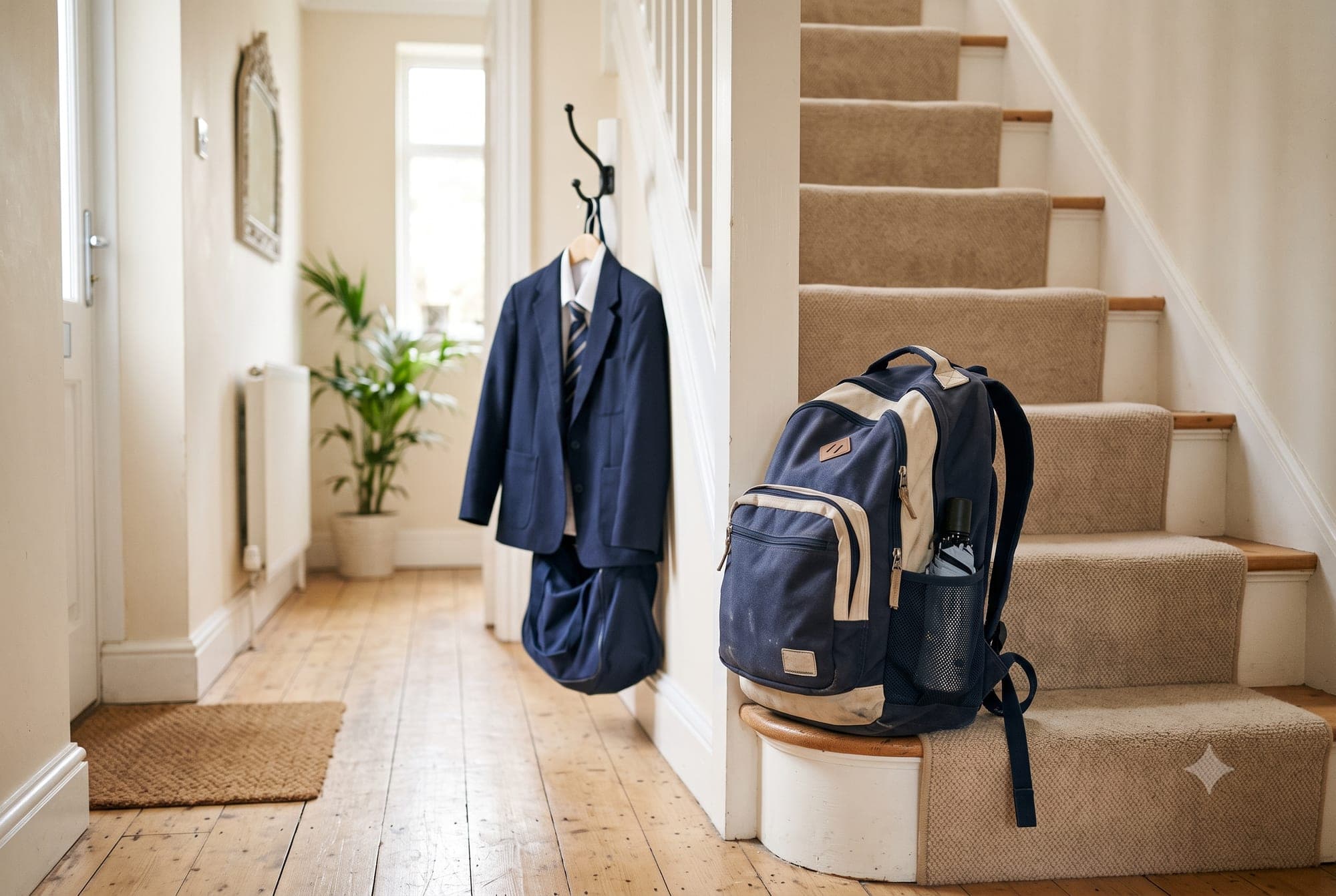
Most parents brace for the move to secondary school as though it starts on the first day of Year 7. In practice, the confidence dip usually starts months earlier — in the summer term of Year 6, once the reality of the move becomes concrete. Class lists. School visits. Talk of "big school" from older siblings, cousins, and well-meaning adults who mean to be reassuring and instead make it sound enormous.
Why anticipation does more damage than the event itself
Children this age are old enough to imagine what might go wrong and not yet equipped to reason their way past it. They picture getting lost between lessons, not knowing anyone, being the one who doesn't understand the timetable. None of this has happened yet. All of it feels entirely real to a ten or eleven year old lying awake thinking about it.
What tends to get missed is that this anticipatory dip in confidence is not really about secondary school at all. It is about whatever was already a bit fragile — a subject they were unsure of, a friendship that felt uncertain, a sense that they only just kept up — landing on top of the biggest change they have faced so far. The move does not create the wobble. It reveals it, and then makes it bigger.
Why "you'll make loads of new friends" doesn't land
This reassurance is almost always true and almost never comforting, because it answers a question about the future when your child is worried about the present: specifically, about whether they are currently capable enough to cope with what's coming. Confidence about friendships does not fix a quiet worry about being behind in maths, or about asking a teacher for help in a room full of strangers.
One small thing to try this week
Rather than reassuring the big picture, get specific about one small, practical fear at a time. Ask "what's the one bit about September that feels most worrying right now?" and let them name something concrete — finding the right classroom, remembering a PE kit, asking a teacher a question out loud. Small, specific worries can actually be solved or rehearsed. "You'll be fine" cannot be rehearsed, so it never quite settles anything.
If you can, walk the actual practical logistics together — where the toilets are, how the timetable works, what happens if they're late to a lesson. Confidence about a place is built the same way confidence about a subject is: through small, repeated proof that they can handle it, not through reassurance that they will.
The same pattern, a different age
This same anticipatory dread — imagining the worst before it happens and quietly deciding you won't cope — is exactly what shows up two or three years later as exam dread before a single mock has been sat. Catching the pattern now, while it is about a school move rather than a set of results, is the easier version of this conversation to have.
If the last year has felt like a slow confidence drop rather than one bad week, the Reflection takes five minutes and will show you the pattern underneath it.
This work is parent education and parent coaching. It is not therapy, counselling, or assessment, and it is not a substitute for the work of GPs, schools, or qualified mental health professionals. Adam and Michela do not diagnose, treat, or assess any condition. If your child is showing signs of significant or persistent distress, speak to your GP or your child’s school first. Our work sits alongside that support, never in place of it.
Get new articles by email
Occasional, age-relevant, no spam. Unsubscribe any time.