
Shot 2: Adam, three-quarter, mid-talk, space to one side for headline text
Bright child. Crumbling confidence.
It does not look the same at seven as it does at fifteen, and you are not imagining either one.
Hear it from Adam
90-second home page video — Adam. Poster: still from Shot 1. No autoplay, no music.
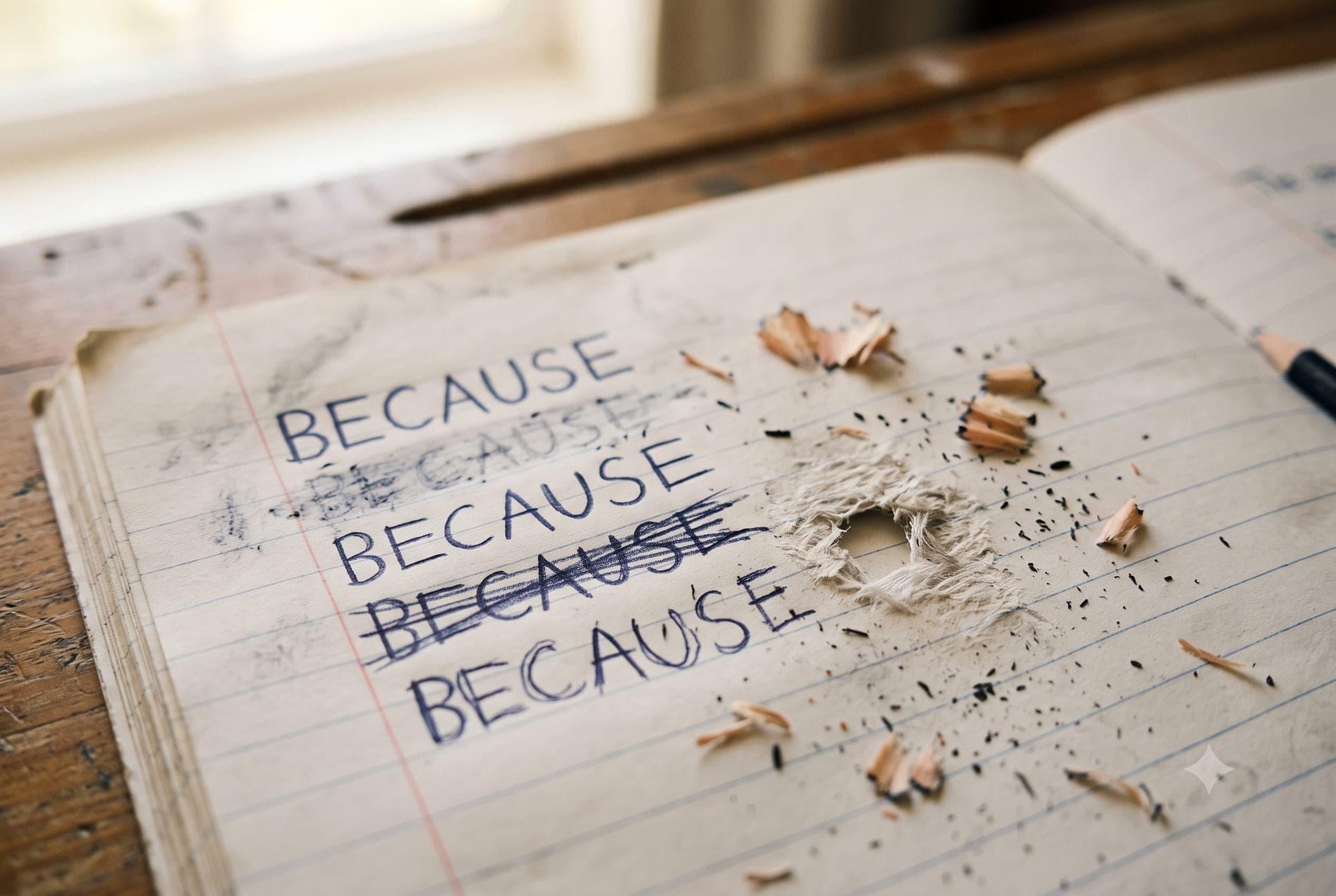
At seven, it is tears over spellings and a page rubbed through until it tears. At eleven, it is a child who used to put their hand up and now hopes nobody looks at them. At thirteen, it is homework that was never mentioned and a door you knock on now instead of walking through. At fifteen, it is revision that never starts and “there is no point” said in a voice that has stopped arguing.
Four different pictures. The same thing underneath: a child who has decided that trying is the risky option.
We help parents of 6 to 16 year olds rebuild that. Not through tutoring. Not through more pressure. Through you, because you are the one constant in your child’s learning life.
Years 2 to 4, ages 6 to 9
The homework that takes an hour and ends in tears. Tummy aches on Monday mornings. “I’m on the wrong table.” A child who will not try in front of you, because trying and failing in front of you is the worst part of all.

Years 5 to 6, ages 9 to 11
Comparison arrives. They stop volunteering answers. “I’m rubbish at maths” stops being a complaint and becomes a fact they have accepted about themselves. Tests come home unmentioned, or not at all. Then secondary starts and flattens whatever was left.
Years 7 to 9, ages 11 to 14
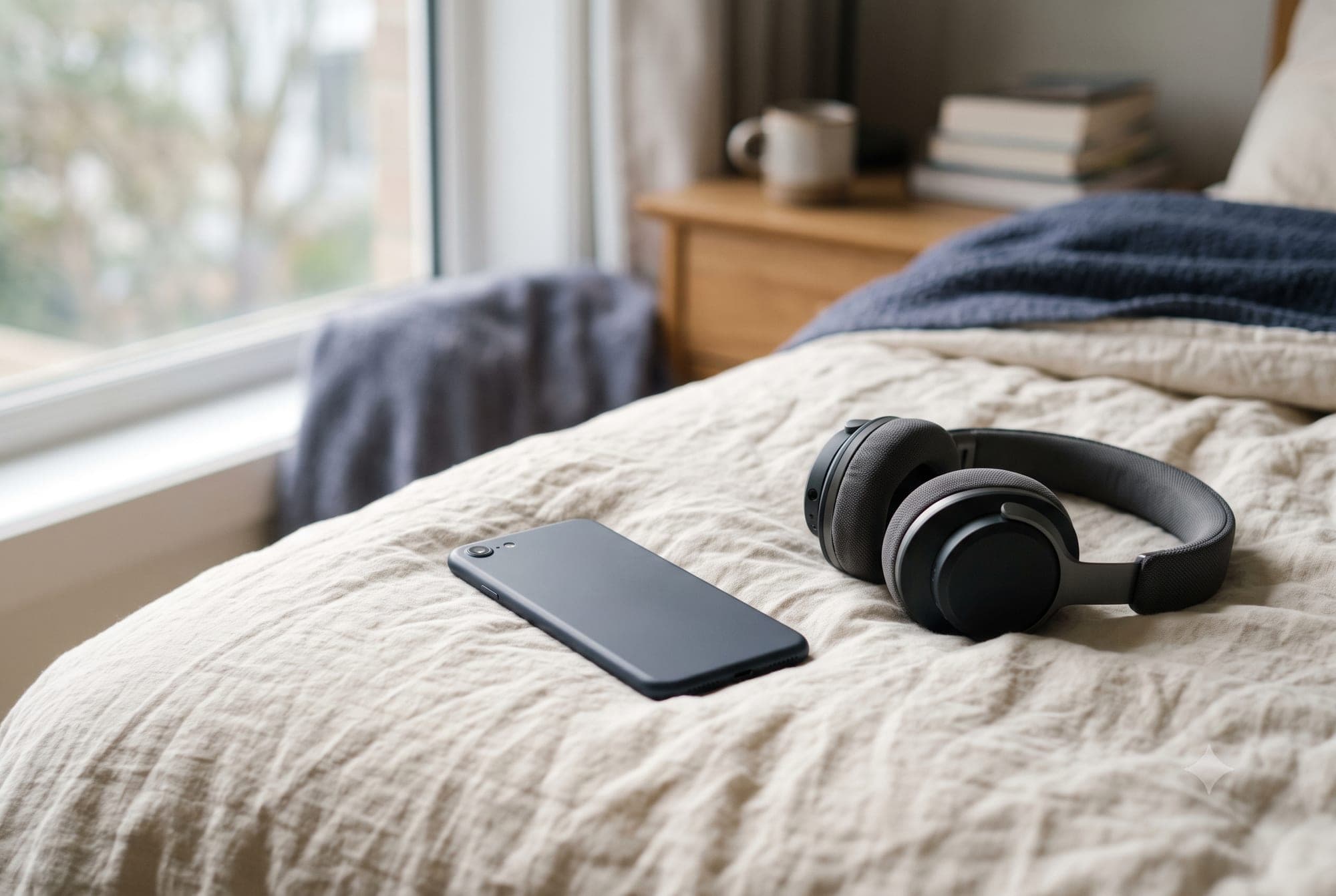
The drift. Homework not done and not mentioned. “It’s boring.” A report that says capable but not applying himself. The phone becomes the room. Options picked to avoid a subject rather than because they wanted one. Quiet enough that everyone tells you it is just the age.
Years 10 to 11, ages 14 to 16
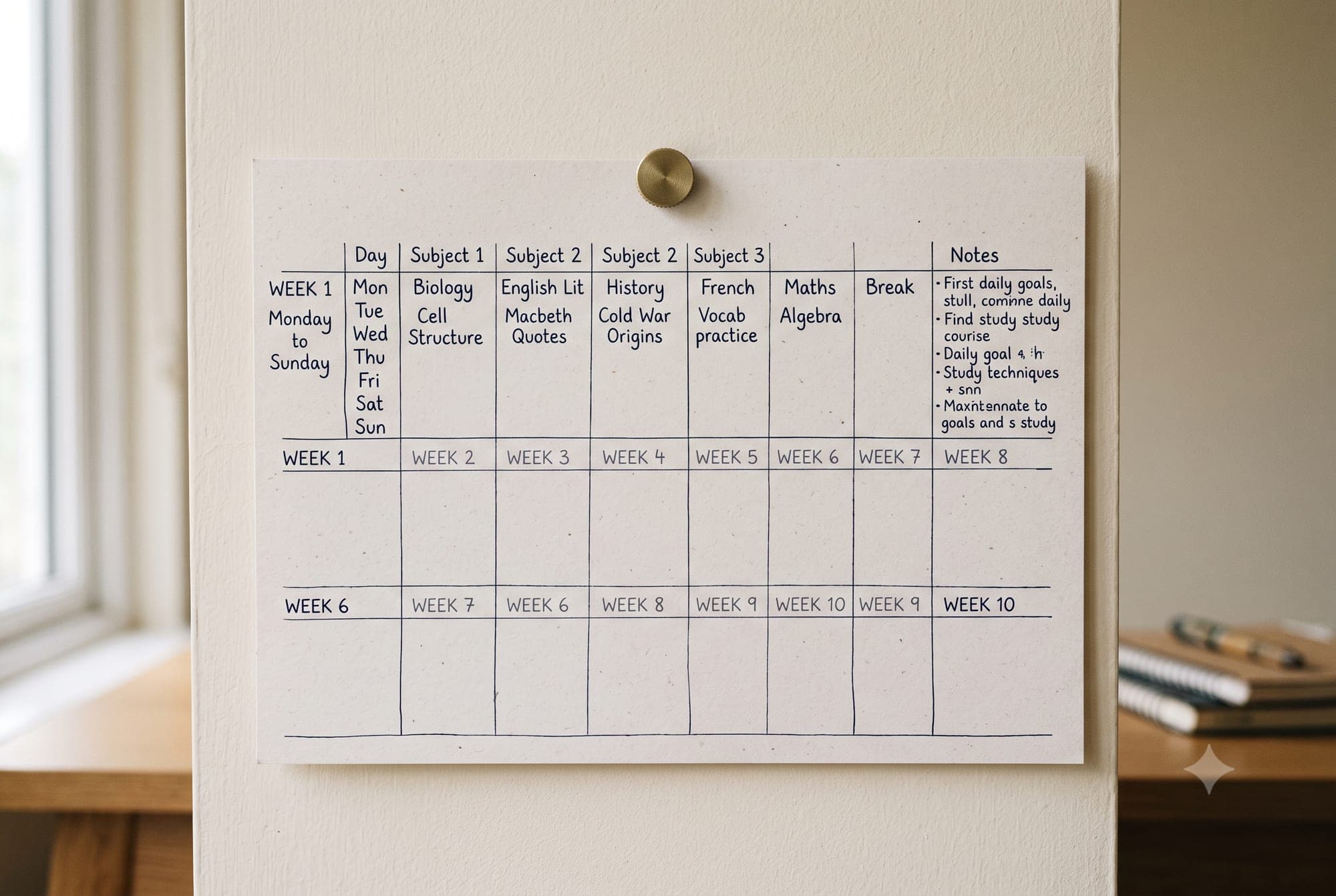
Revision that never starts. Coursework left. “I’ll be fine” and “there’s no point” in the same week. Coasting on purpose, so a bad grade never means anything about them. Mocks that confirm a story they wrote about themselves two years ago.
Four ages, one pattern. That is why one method works across all of it.
Take the 5-Minute Parent Reflection
Take the 5-Minute Parent ReflectionFree, five minutes, and your child does not need to know you did it.
Shot 7: Adam and Michela together, in conversation, not looking at camera