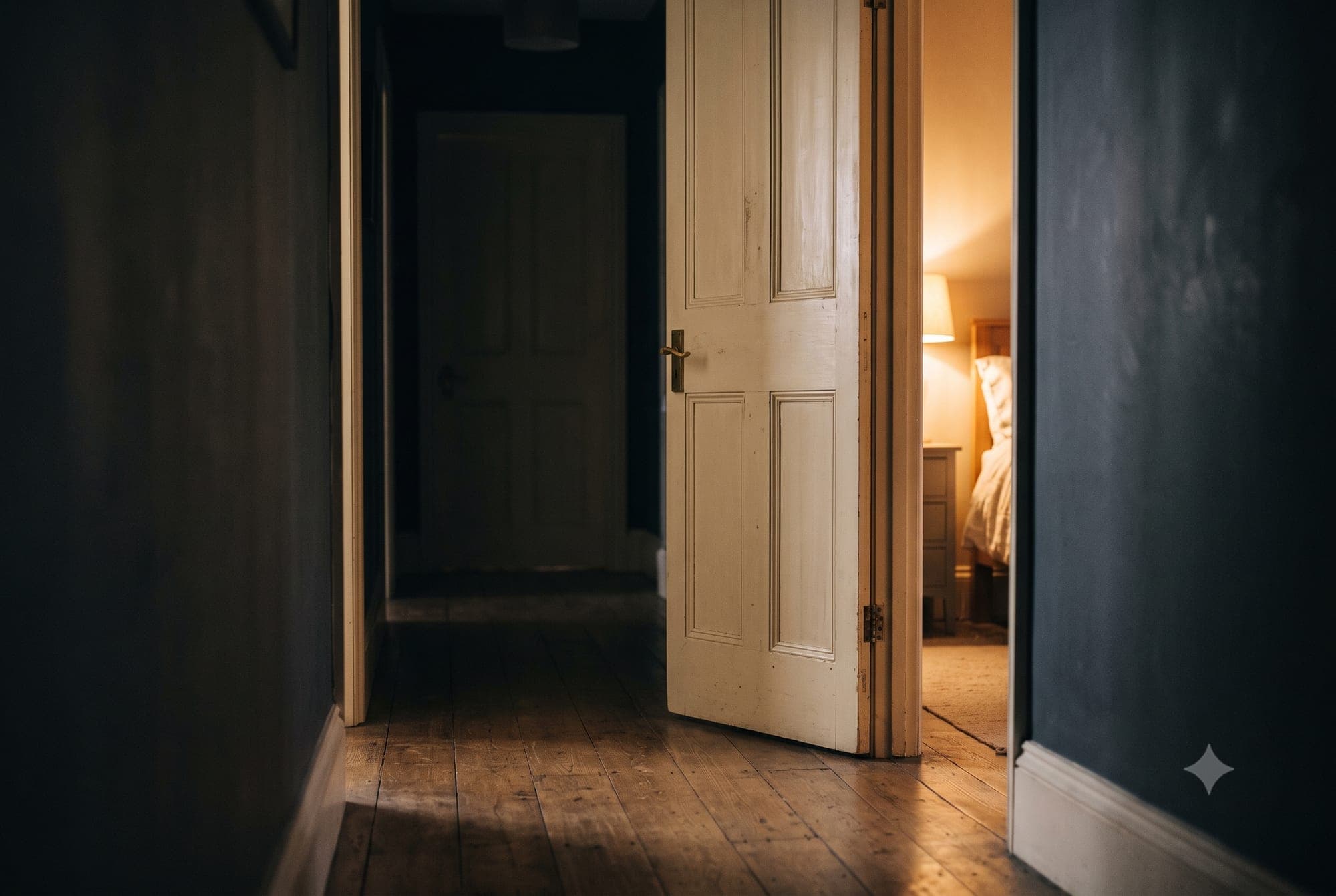
The Phone Isn't the Problem: What's Really Behind the Bedroom Door
It is easy to blame the phone for a teenager who has withdrawn. Most of the time, the phone is where they went once trying at school stopped feeling worth it.
Michela
Learning Confidence Specialist, The Confident Learning Co.
Nearly every parent I sit with in Years 7 to 9 starts in the same place: the phone. How much time is spent on it, how hard it is to get them off it, how the bedroom door closes and the phone comes out the moment homework is even mentioned. It is a reasonable thing to focus on, because it is the most visible part of the picture. It is very rarely the actual problem.
What the phone is usually doing
For a young teenager who has quietly stopped feeling capable at school, the phone offers something homework cannot: a space where nothing is being marked, nothing is being compared, and nothing confirms the thing they are afraid is true about themselves. It is not that they prefer their phone to learning. It is that their phone does not currently make them feel behind, and school does.
This is why taking the phone away rarely produces the result parents hope for. Removing the escape does not address why they needed to escape in the first place. It usually just produces conflict about the phone, layered on top of whatever the original problem was.
The drift is quiet on purpose
In Years 7 to 9, this rarely looks dramatic. It looks like homework that was never quite finished, and never quite mentioned. A report that says "capable, but not applying himself" — a sentence that sounds like a character judgement and is almost never one. Subjects being dropped at options time to avoid a subject rather than because another one was actually wanted. Everyone around you, including well-meaning teachers, telling you it's just the age.
It is not just the age. It is a specific, recognisable pattern: a capable young person who has worked out that if they don't really try, a poor result doesn't mean anything about them. If they try properly and it still goes wrong, that result means something. So they protect themselves by not trying properly, and the phone is simply where that protection happens to live.
What actually helps
The starting point is not a conversation about screen time. It is a quiet, low-pressure conversation about one specific subject or moment where things started to feel hard — without judgement, and without immediately jumping to a plan or a solution. Young people in this age range can smell a lecture from the first sentence and will close down accordingly. What tends to work better is something closer to curiosity than correction: "I noticed you've been quiet about geography lately — what's that about?" and then genuinely listening to the answer, even if it's short.
This is the easiest point in the whole secondary range to turn around, precisely because the pattern is still young. Left alone through Years 10 and 11, it tends to harden.
The same pattern, a different age
Two or three years from now, this same protective drift looks like a Year 11 who has stopped revising altogether rather than revise and risk a low mock result. The shrug gets quieter and more convincing with age. It is not indifference. It is armour that has had longer to set.
If this sounds like where things are in your house right now, the Reflection takes five minutes and speaks directly to where a Year 7 to 9 child is actually getting stuck.
This work is parent education and parent coaching. It is not therapy, counselling, or assessment, and it is not a substitute for the work of GPs, schools, or qualified mental health professionals. Adam and Michela do not diagnose, treat, or assess any condition. If your child is showing signs of significant or persistent distress, speak to your GP or your child’s school first. Our work sits alongside that support, never in place of it.
Get new articles by email
Occasional, age-relevant, no spam. Unsubscribe any time.